The power of bail: Why it still matters and what it represents in America today
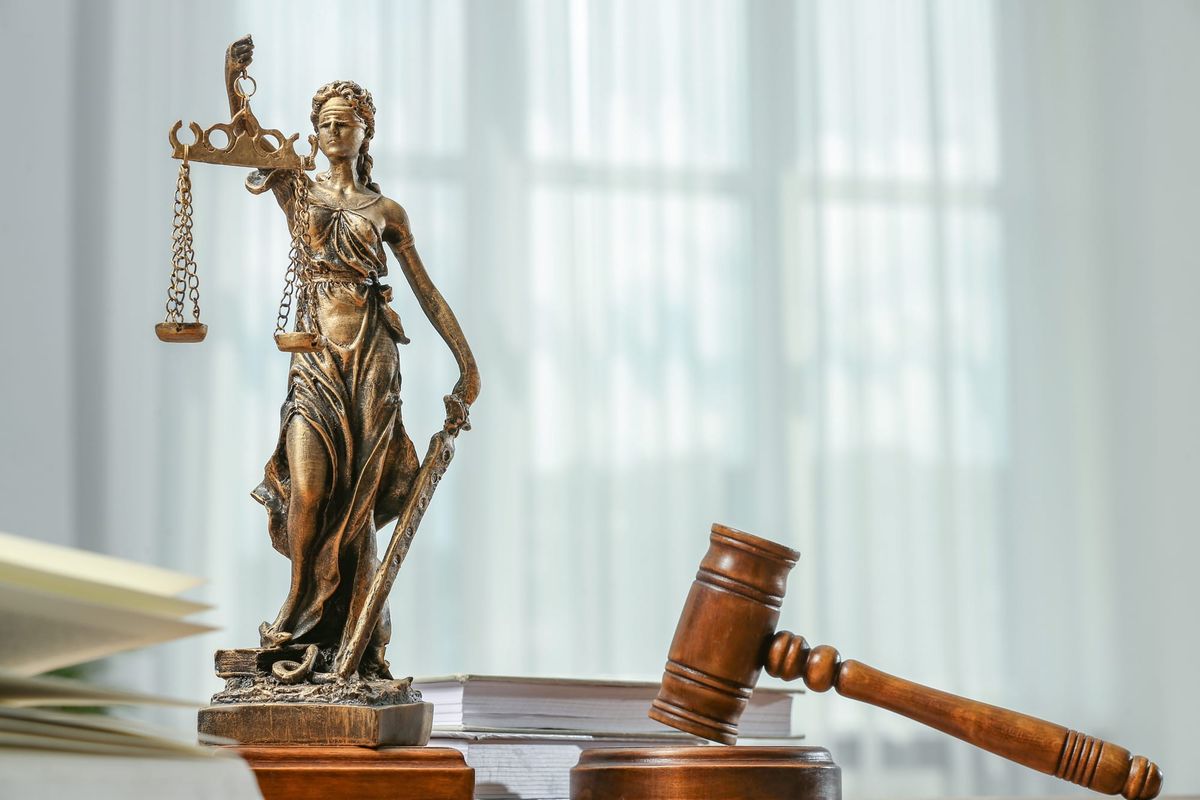
In a world full of changes and uncertainty, one guarantee should still remain in the United States of America. The integrity of our criminal justice system and the ability to fight your case fairly and have your day in court. We are all innocent until proven guilty, and in a day and age where as many as 500,000 incarcerated people have yet to have had their day in court, bail matters more than ever. As it states in the Constitution, “Excessive bail shall not be required, nor excessive fines imposed, nor cruel and unusual punishments inflicted”.
Bail makes sure every person has the best possible opportunity to fight their case. Bail ensures you can fight your case away from a jail cell in the comfort of the outside world with your attorney, and it gives you the opportunity to continue your life even while facing charges. In a country where everyone is innocent until proven guilty, bail is a necessity and provides a noble cause for every American.
Bail is also a way for a defendant to have something tying them to return to court. While most people want their day in court and do show up, for the few who would not, they would be losing out on money, sometimes a significant amount, which is an incentive for a defendant to show up in court. The community may be wary of someone being a flight risk if they are out of incarceration waiting for trial, and bail is a way to confirm they will stay and go to court to hear the outcome of the case. There are also other ways to ensure this will happen. Under a surety bail bond, a licensed Bail Agent or Bail Bond Company guarantees the defendant's appearance in court. Surety Bail Bonds are available around the clock, every day of the year. Release under this system is not unconditional: a third party, typically a family member, assumes financial responsibility and accountability for the defendant, along with the bail agency ensuring court appearance so victims have their day in court.
A person's freedom should not be based on money. If you are not able to pay the bail fee, a bondsman can set up easy payment plans to guarantee release. With free bail financing, people in need of assistance can access freedom through flexible payments designed to fit every need. The goal is to ensure defendants continue working, supporting themselves while attending court instead of sitting in jail, ramping up the costs to hardworking taxpayers.
When out on surety bail, there is a monitored system and conditions in place to remain free while keeping the public safe.
Many are concerned about the ones who do not show up to court. What happens now? Well, if you pay a bondsman, Bail Enforcement Agents are authorized to pursue and apprehend absconded defendants beyond the jurisdictional boundaries of the town, city, county, or state in which the warrant was issued. Each year, BEAs return thousands of absconded defendants to the court's jurisdiction, often at significant personal risk and expense. The financial burden of the fugitive recovery is borne entirely by the Bail Agent or Company, at no cost to the taxpayers, to make sure it isn't coming out of your pocket.
BEA's are licensed through the Special Licensing and Firearms Unit of the Connecticut State Police, under the Department of Emergency Services and Public Protection (DESP). Licensure requires completion of criminal justice education, firearms training, fingerprinting, and a thorough background investigation. BEA or also known as Fugitive Recovery Agents are consummate professionals who take their occupation seriously and perform the job others may run from.
Bail has become a hotly contested topic in modern-day America. While many feel it is a fair system designed to combine the freedom you are guaranteed with the realities of the situation the justice system has brought upon you, there are many who feel it is an immoral system all together.
Many feel that basing freedom on one's finances is unethical, and that bail as a system needs to be either replaced or removed permanently. While bail definitely has flaws, there are some positives to it as well. Without bail, what is keeping someone who actually committed a crime from fleeing elsewhere? If they are guilty and know it, wouldn't they just take off? While paying for freedom may be prejudiced against people who have less, bail bondsmen are prepared to help out. Bail, considered a flawed system by some, makes a person more likely to stay for their day in court, allowing those who are innocent to be able to fight from the outside with their family beside them. In the end, bail promotes freedom, and in America, what is more constant to our values than that?
Guest Post by Samuel Menzie
Sam Menzie is a Queens, New York native and senior at Quinnipiac University, where he studies Media Studies with a minor in Sports Studies. A former multi-sport athlete, Sam brings his passion for sports, storytelling, and social justice to his work as an intern with 3-D Bail Bonds. Eager to learn, he is particularly interested in helping individuals maintain their freedom and continue working with their families and communities while their cases move forward. Sam hopes to use his growing skills in media and content creation to tell meaningful stories, spark conversation, and contribute to a more informed understanding of the justice system.


